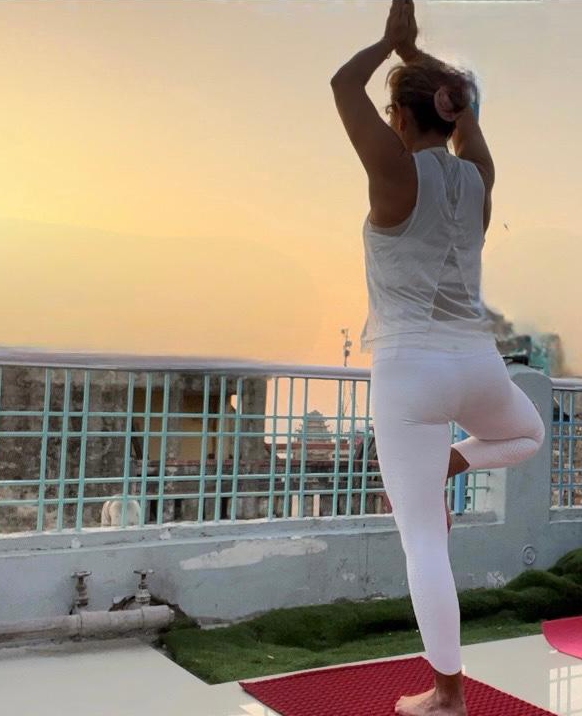
Voyager en Inde, c’est apprendre à profiter de l’instant présent sans se soucier du lendemain Vivre l’instant présent, vivre Shanti Shanti le principal bonheur de l’Inde, est la lenteur du voyage et toutes ces rencontres que l’on peut faire, instantanées, éphémères ou durables, elles laissent toujours des souvenirs mémorables. Ces moments où l’on se pose, où l’on prend le temps de vivre, d’être Shanti Shanti. Derrière ces mots se cachent le calme, le repos, la paix, la tranquillité. Dans cette Inde en effervescence, la méditation a son importance, c’est une façon de faire le vide, d’évacuer le stress et de se recentrer sur l’essentiel
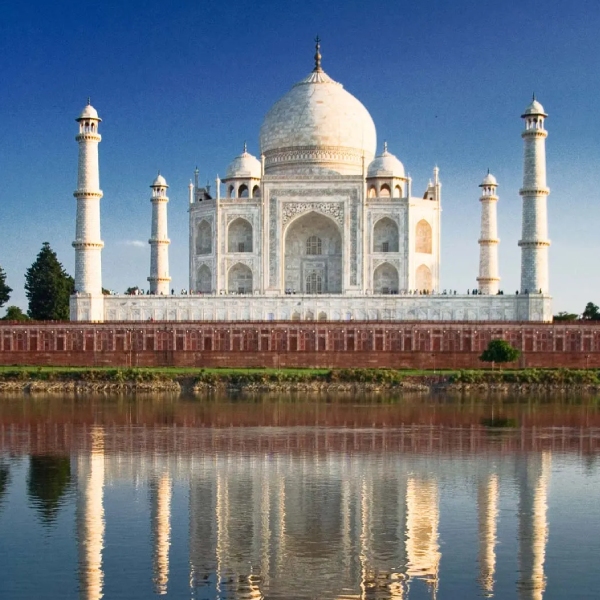
Un circuit de 10 jours pour faire un voyage au nord de l’ Inde Nous commençons notre aventure à Agra et son grandiose Taj Mahal, le mausolée de l’amour disparu, découvrons ensemble la porte d’ivoire par où passent les reves ,chef d’œuvre de l’architecture moghole. Nous nous rendrons dans la ville sainte de Mathura qui voit affluer des milliers de pélerins sur les rives de la Yamuna, rivière sacrée.
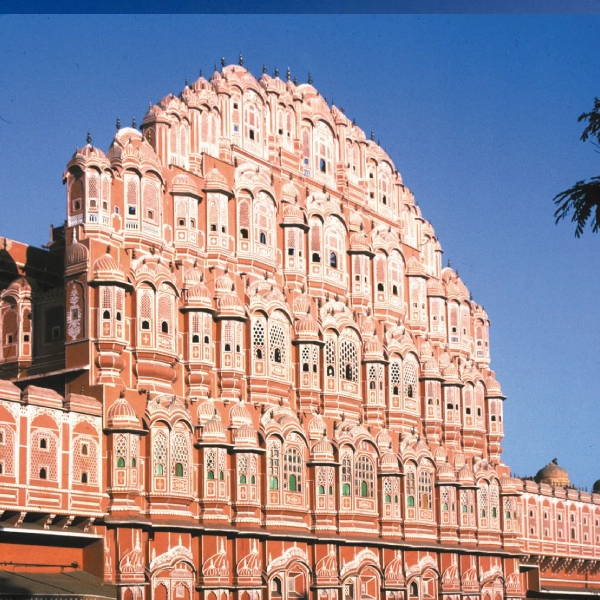
On prend la route vers JAIPUR , capitale du Rajasthan, ce sera notre première étape dans cette région extraordinaire. Les rues colorées et chaotiques de la vieille ville nous plongeront dans un monde où l’ancien et le moderne semblent ne faire qu’un. les splendeurs du passé majestueux de Jaipur offrent des oasis de calme. De petits jardins secrets au fond d’une impasse, un escalier au calme à l’ombre d’un palais… Le cœur de Jaipur permet de s’échapper dans un autre monde l’espace de quelques instants. Le palais de Jaipur continue d'abriter l'ancienne famille royale. Le célèbre Jantar Mantar, observatoire royal évoque le temps des grandes découvertes, le palais des vents (Hawa Mahal) et ses nombreuses alcôves semble habité par les fantômes du passé. A quelques kilomètres, dans une région montagneuse et aride, se trouve un palais qui semble sortir d’un conte oriental, le fort d’Amber. Que ce soit à dos d’éléphant ou à pied, ( à votre choix) l’ascension jusqu’à l’entrée du palais restera gravée dans nos mémoires à jamais.
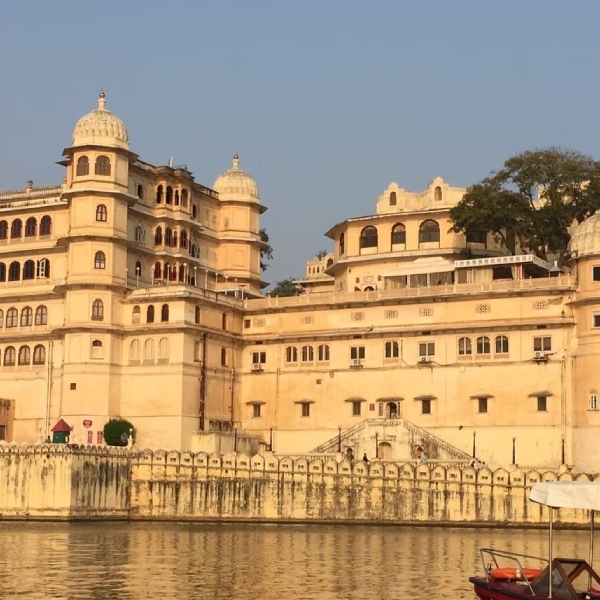
notre troisième destination ; UDAIPUR Capitale historique du royaume de Mewar (sud du Rajasthan), Udaipur a été fondée par Maharana Udai Singh en 1553. Udaipur fait rêver les voyageurs du monde entier. La ville rime avec romantisme, exotisme, palais, le tout entouré de lacs et douces collines. Bref, Udaipur est unique ! Le magnifique lac Pichola, et les majestueuses collines Aravalli en toile de fond semblent avoir inspiré les fondateurs de la cité. Les merveilleux palais et monuments qui se reflètent dans les eaux calmes vont nous faire tomber instantanément sous le charme d’Udaipur. nous aurons le temps de visiter Les bazars de la ville qui ne sont pas en reste. Nous Prendrons le temps de nous perdre dans les ruelles de la vieille ville, et revenir avec un souvenir d’une des plus belles villes au monde.
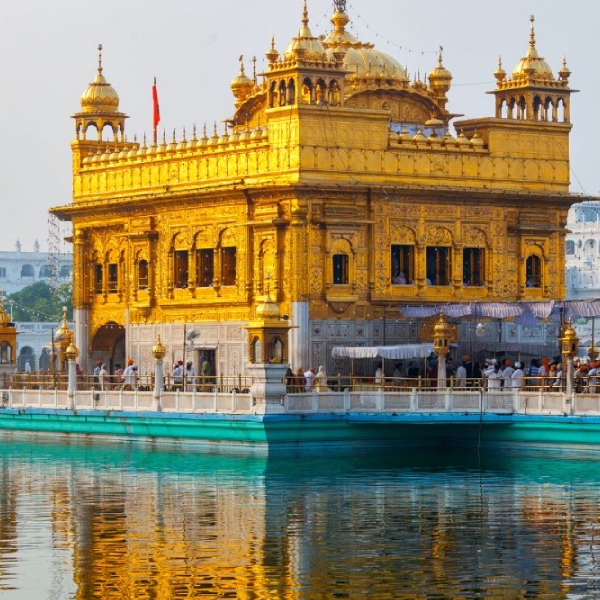
En route vers La ville d'Amritsar, au Punjab, est un beau mélange de tradition, de culture, d'histoire et de gastronomie elle est célèbre pour le Temple d'Or, le sanctuaire sikh le plus connu d'Inde. La ville d'Amritsar, au Punjab, est un beau mélange de tradition, de culture, d'histoire et de gastronomie. Fondée en 1577 par le quatrième gourou sikh, Ram Das, la ville est divisée en deux parties par les lignes de chemin de fer. Au sud de la vieille ville, nous trouverons le célèbre Temple d'or, l'un des lieux les plus spectaculaires et les plus visités d'Inde, ainsi que de nombreuses autres attractions historiques anciennes. Le Temple d'Or est la fierté et l'âme des Sikhs et constitue un centre d'attraction entre les Indiens et les voyageurs étrangers depuis des siècles. Le corps doré, le lac mystique et l'atmosphère qui y règne font de ce site religieux un lieu unique et irremplaçable. Les croyants, quelle que soit leur religion, leur caste et leur sexe, se rassemblent à Amritsar à la recherche du bonheur éternel et sont émerveillés de voir la nature humble et les convictions profondes des Sikhs envers leur religion.
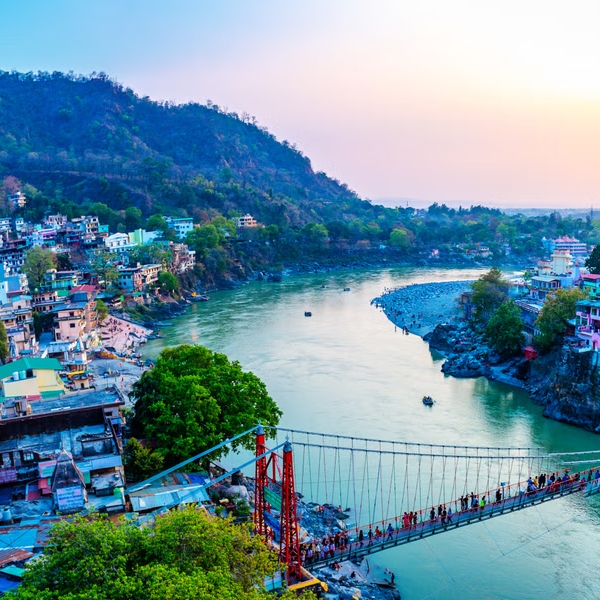
Rishikesh est une ville sainte pour les hindous qui se trouve dans le nord de l'Inde. Peut-être que les contreforts incroyablement beaux des montagnes himalayennes et le fleuve sacré du Gange qui traverse la ville ont fait de Rishikesh la capitale reconnue du yoga sur la planète. Dans les temps anciens, selon les légendes, les saints sages vivaient dans ces lieux, et au siècle dernier, de nombreux gourous et yogis éminents ont trouvé refuge ici. C'est dans cette ville que les membres des Beatles ont étudié la méditation.
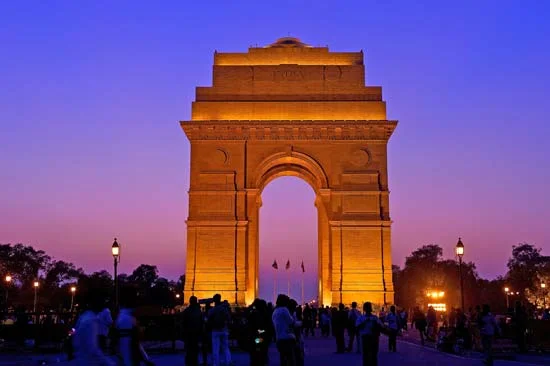
Pour finaliser notre séjour un arret incontournable à la capital Dehli la ville a deux visages, Old Delhi, l'ancienne capitale de l'Inde musulmane, et New Delhi, centre de l'Empire britannique des Indes. Nous visiterons l’ imposant Fort Rouge construit sous l’ empire moghol et symbole de l’Inde, ainsi que l’immense mosquée Jama Masiid, la plus grand du pays, dont la cour peut accueillir 25 000 personnes Cette nuit nous logerons dans un Palace, un séjour incontournable à faire en Inde, nous aurons la possibilité de bien profiter de l’endroit, avec massage (à vos frais, hammam, etc) ou bien faire le tour de la journée prévu.


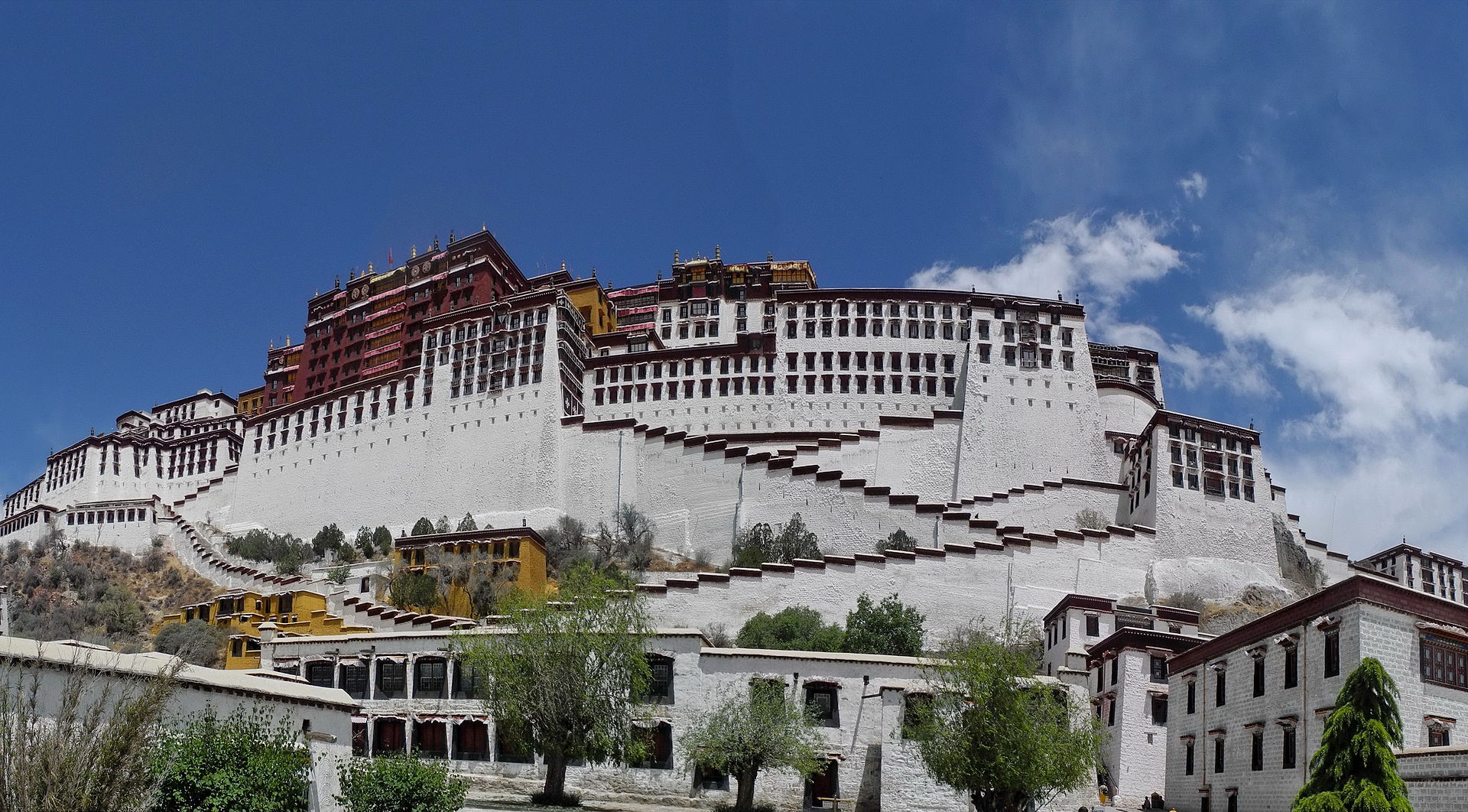
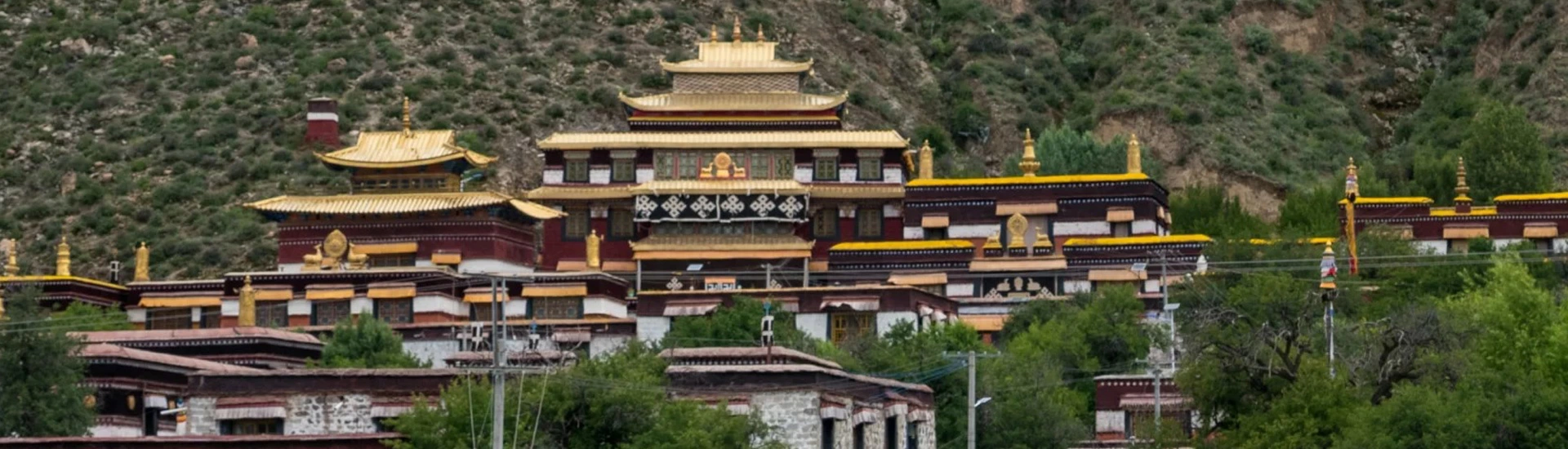
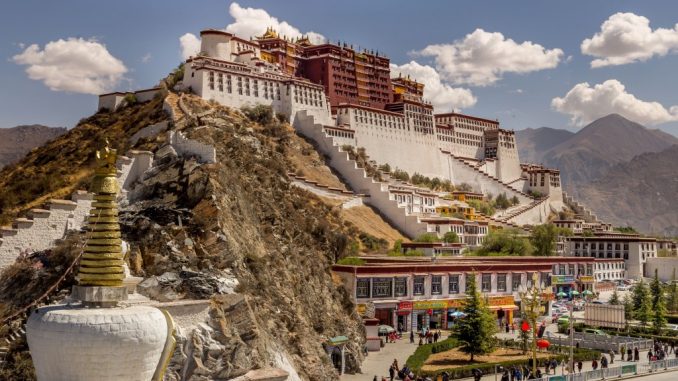
We begin our journey in the capital, Lhasa, where we will explore beautiful monasteries such as Sera, Drepung, Ganden, Drak Yerpa and Pabonka, as well as the majestic Potala Palace and the sacred Jokhang Temple. The latter is one of the most revered places of Tibetan Buddhism and the spiritual center of Lhasa.
Sera Monastery is noted for its fascinating debates between monks on Buddhist philosophy, while Drepung, once the largest Buddhist monastery in the world, offers breathtaking views. Drak Yerpa, located on a cliff, is known as the “Tree of Life” and is a site full of spirituality and tradition.
To complete the cultural experience, we will walk along the main streets of Lhasa, such as Barkhor Street, where locals and pilgrims circumambulate the Jokhang Temple in an atmosphere of devotion. Don't forget to visit the individual pages of each place to watch the videos and immerse yourself even more in these breathtaking sites.
The landscapes of Tibet are full of colors: the blue of the sky is different from the usual, the reddish of the mountains is wonderful and the green meadows are a delight for the senses. The people of Tibet are kind and hospitable, guided by religion and love for others; they have a deep respect for the many temples, palaces and incredible statues, characteristic of this magical place. Tibet is a region located in the southwest of China, and its capital is Lhasa. It is surrounded by the Himalayan mountain ranges, which cross countries such as Nepal, India and Bhutan. It is worth mentioning that Everest has a Tibetan and a Nepalese part. Important rivers are born in this region, which allows the cultivation of wheat, corn, barley and other products such as potatoes, rice, tobacco and sugar beet. There are also fruit trees and a wide variety of medicinal herbs, and its gastronomy is based especially on high-energy foods.
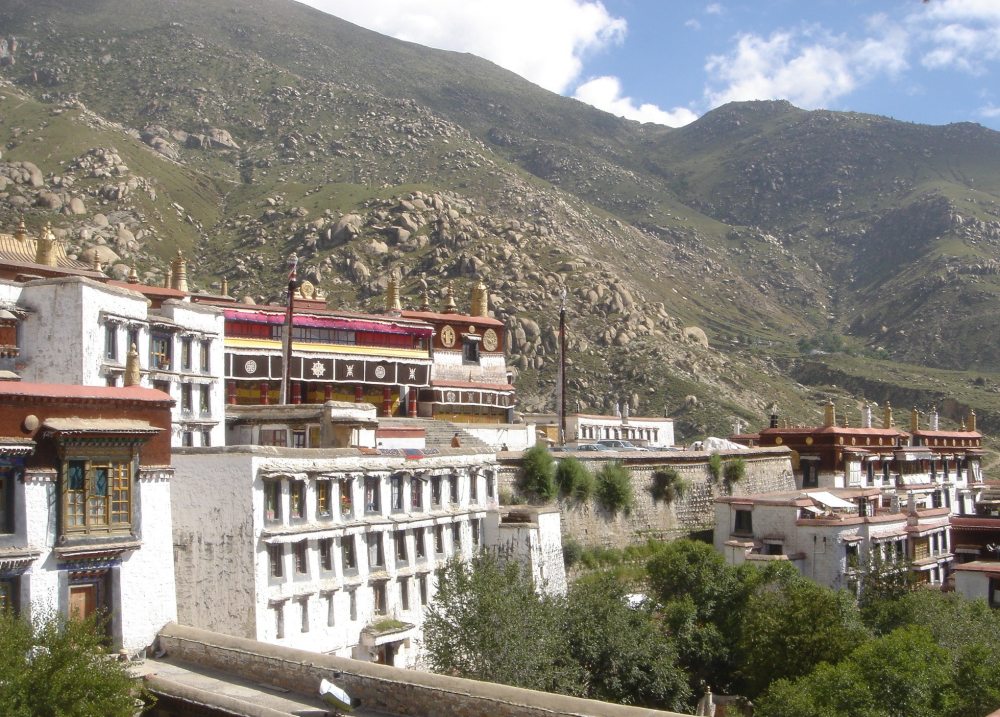
Drepung is one of the three major Geluk monasteries of Lhasa. It was founded in 1416 by Jamyang Choje Tashi Pelden, a disciple of Tsongkhapa. It contains the Ganden Podrang residence which served as the seat of the Dalai Lamas until the seventeenth century. The entire monastery was initially administered from the office of the Drepung Throne holder; since the time of the Fifth Dalai Lama the custom has been that the senior abbot of the two principle colleges, Gomang or Loseling, has served as head of Drepung. Of the seven colleges that were once part of the monastery, only four survive, the two others being the Ngakpa Dratsang and Deyang.
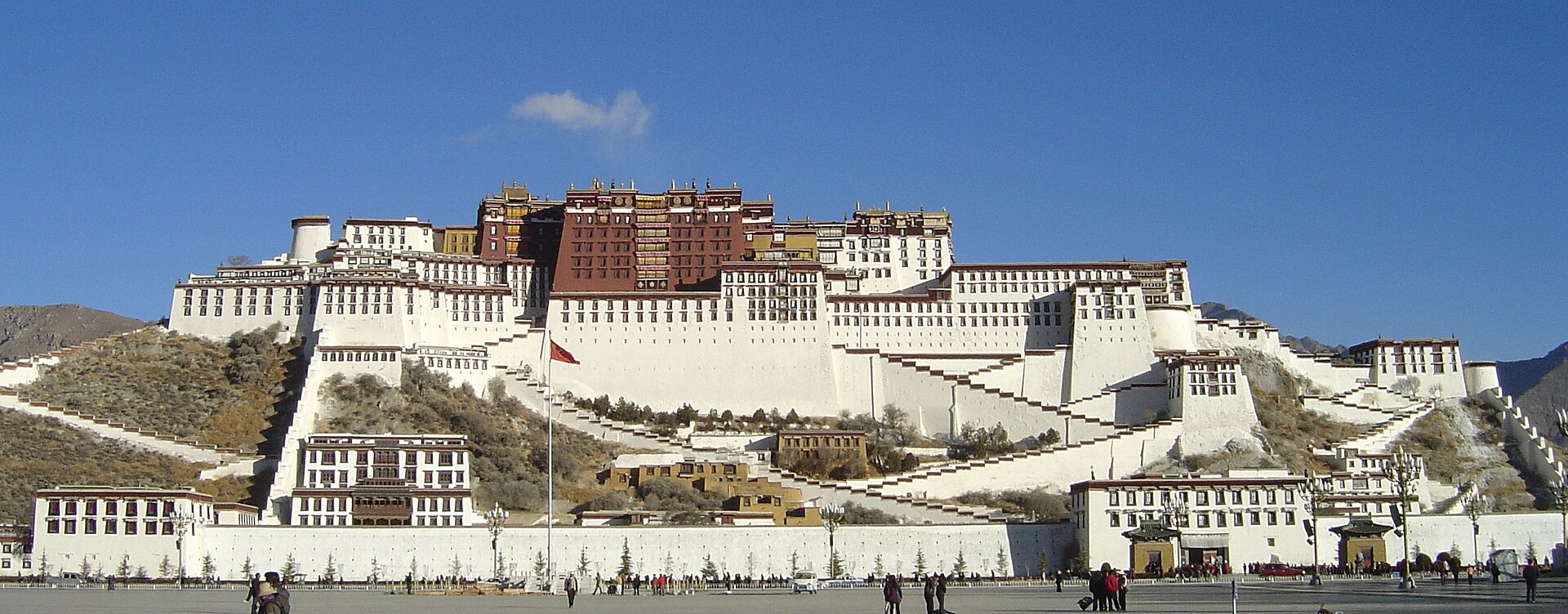
The Potala Palace is a dzong fortress in Lhasa, capital of the Tibet Autonomous Region in China. It was the winter palace of the Dalai Lamas from 1649 to 1959, has been a museum since then, and a World Heritage Site since 1994. The palace is named after Mount Potalaka, the mythical abode of the bodhisattva Avalokiteśvara. The 5th Dalai Lama started its construction in 1645 after one of his spiritual advisers, Konchog Chophel (died 1646), pointed out that the site was ideal as a seat of government, situated as it is between Drepung and Sera monasteries and the old city of Lhasa. It may overlie the remains of an earlier fortress called the White or Red Palace on the site, built by Songtsen Gampo in 637.
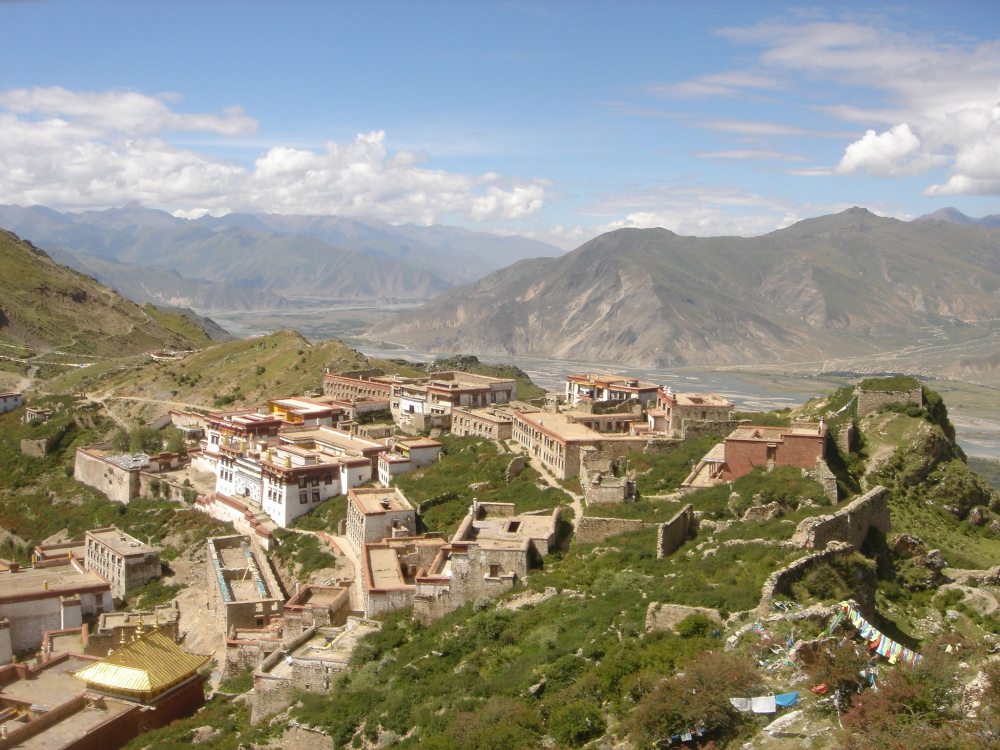
Drak Yerpa Drak Yerpa Monastery is described as “the Tree of Life” or the spiritual axis of Lhasa. Some of the caves are associated with great figures of Tibetan Buddhism.
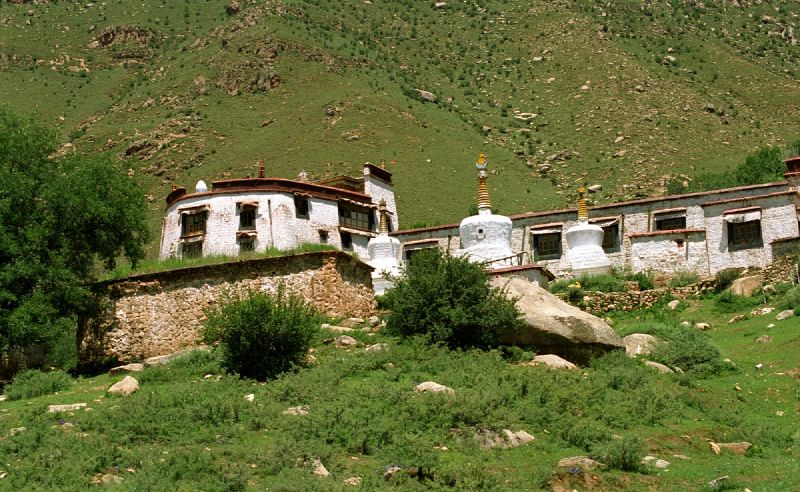
Pabonka Hermitage (Pha bong kha), also written Pawangka, is a historical hermitage, today belonging to Sera Monastery, about 8 kilometres northwest of Lhasa in the Nyang bran Valley on the slopes of Mount Parasol (Dbu gdugs ri) in Tibet. Founded by Songtsen Gampo in the 7th century, it is currently the largest and most important of the Sera hermitages and is the starting point for the “Sixth-Month Fourth-Day” (Drug pa tshe bzhi) of the Sera Mountain Circumambulation Circuit (Se ra’i ri ’khor) pilgrimage.
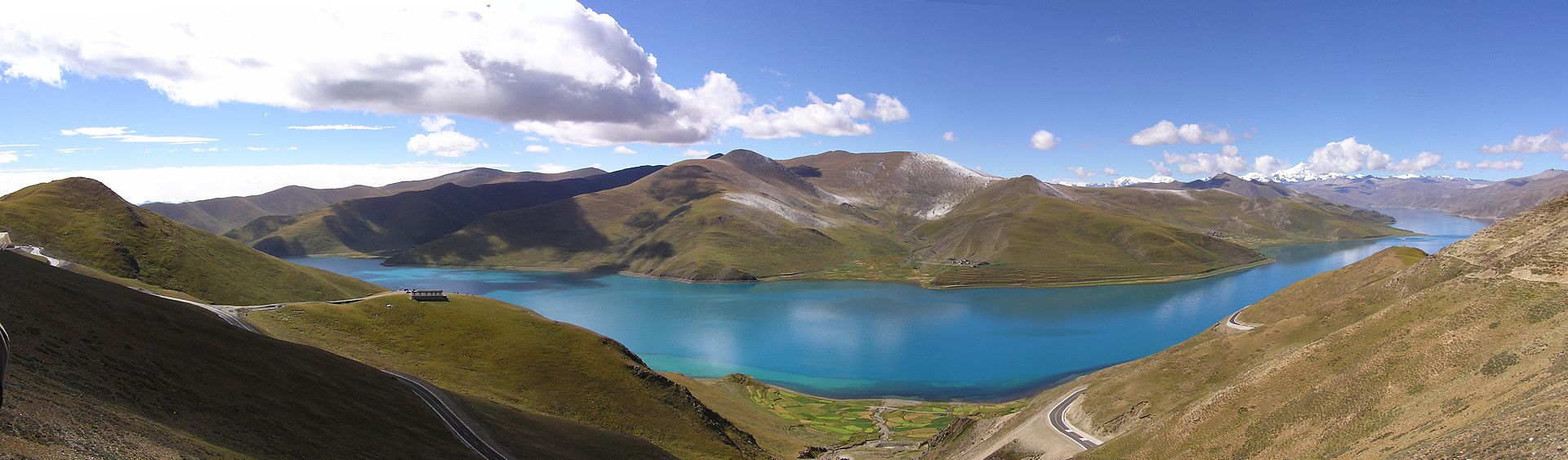
Yamdrok Tso Lake, also known as Yamdrok Yumtso, is one of the four largest holy lakes in Tibet, besides Nam Tso Lake and Lake Manasarovar. The Yarlung Tsangpo River surrounds the lake located to the south within Langkazi County in the Shannan region of Tibet. Perched at an altitude of 14, 570 ft (4,440 m), the holy jaded lake in Tibet stretches over 72 km with an average depth of 20-40 m, the most in-depth point being 60 m, and comprises of dozen of tiny islands.
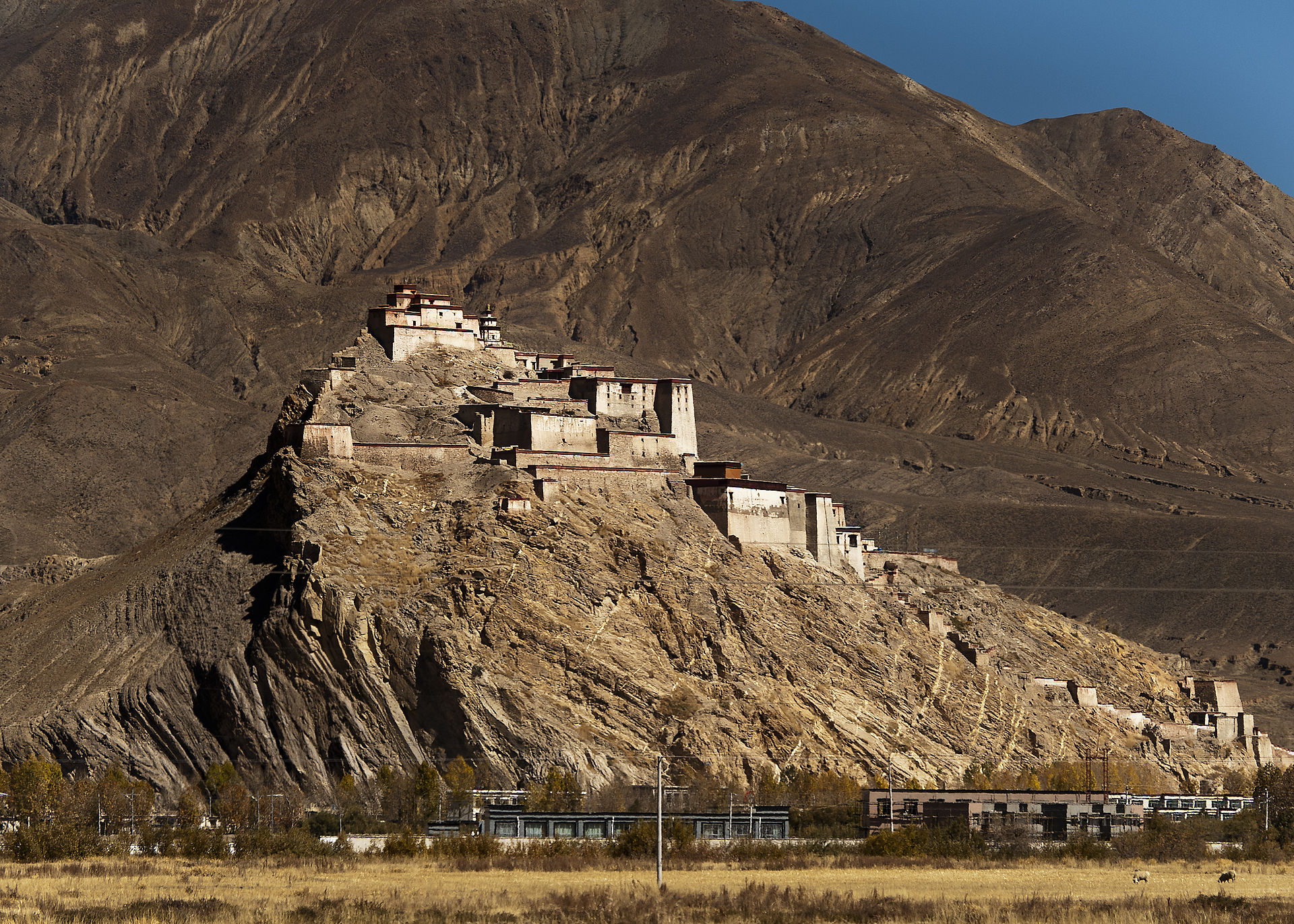
Gyantse Dzong or Gyantse Fortress is one of the best preserved dzongs in Tibet, perched high above the town of Gyantse on a huge spur of grey brown rock. According to Vitali, the fortress was constructed in 1390 and guarded the southern approaches to the Tsangpo Valley and Lhasa. The town was surrounded by a wall 3 kilometres (1.9 mi) long. The entrance is on the eastern side.
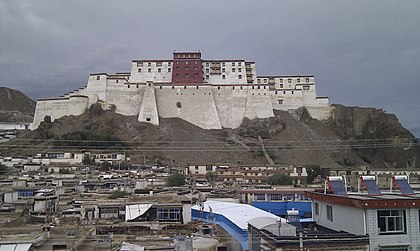
El dzong de Shigatse, también conocido como dzong Samdruptse, se encuentra en Shigatse, Tíbet (China). Se deletrea Rikaze Dzong (ortografía oficial: Xigazê Dzong; otras ortografías: Shigatse Dzong, Shikatse Dzong, Zhigatsey Dzong, chino simplificado: 日喀则宗; chino tradicional: 日喀則宗; pinyin: Rìkāzé Zōng, tibetano: གཞིས་ཀ་རྩེ་རྫོང་). El castillo-monasterio fue construido originalmente por Karma Phuntsok Namgyal (1611-1621), el segundo en la línea de la familia Nyak que gobernó el Tíbet de 1565-1642, después de lo cual la capital fue trasladada a Lhasa.1
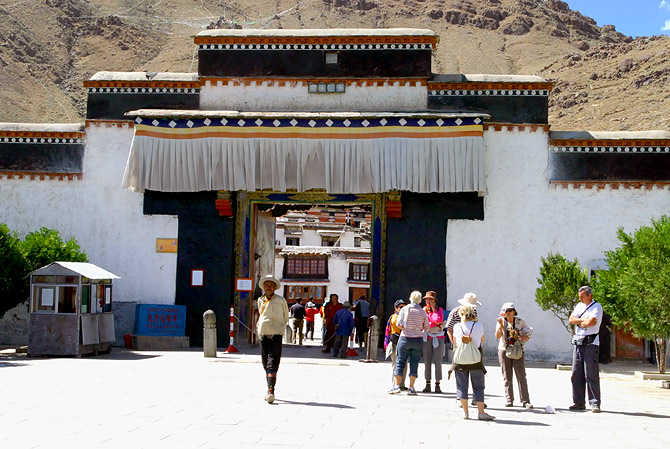
Tashi Lhunpo Monastery (Tibetan: བཀྲ་ཤིས་ལྷུན་པོ་) is an historically and culturally important monastery in Shigatse, the second-largest city in Tibet. Founded in 1447 by the 1st Dalai Lama, it is the traditional monastic seat of the Panchen Lama. The monastery was sacked in 1791, when the Gorkha Kingdom invaded Tibet and captured Shigatse. A combined Tibetan and Chinese army drove them back as far as the outskirts of Kathmandu, when they were forced to agree to keep the peace in the future, pay tribute every five years, and return what they had looted from Tashi Lhunpo.
The Bonpo Yungdrungling Monastery is located across the river from Friendship Hwy. between Lhasa and Shigatse. Once the second most influential Bon monastic institution in Tibet, it used to be home to 700 monks. Now the number declined to 35, and the monks come from different factions of Bonpos, some even from as far as the Aba region of northern Sichuan. For many people, the Yungdrungling monastery is a typical Buddhist monastery. However, one should pay special attention to the swastikas swirling anticlockwise and the reluctance of your guide and driver to enter the grounds. The monks here are very friendly to visitors. Some of them can even speak English. If you are lucky to meet the key holder, he can show you the large dukhang. Inside the house are the impressive thrones of the monastery's two resident Shiromo along the walls-look for the deity's characteristic swastika mace. There are also a couple of more behind the main hall that you can pay a visit to. Those chapels' include the Namjya Lhakhang. Keep in mind that you should visit those chapels in an anticlockwise direction.


To be defined with the preferences of the group. Options:
In both cases, the flight from Nice has a current price of 1,600 euros. In addition, 2 or 3 nights hotel accommodation (to be defined) would be added.